Ergonomics is the study of the relationship between people and their work environment. Ergonomics plays a crucial role in ensuring employees’ safety, comfort, and productivity. By implementing ergonomic principles in the workplace, organizations can reduce the risk of work-related injuries and enhance employee performance.
At its core, ergonomics aims to design workspaces, equipment, and tasks to fit the needs of individual employees rather than requiring employees to adapt to an unsuitable environment. By considering factors such as body mechanics, workstation layout, and environmental conditions, organizations can create a work environment that reduces physical strain, minimizes the risk of injury, and supports overall employee well-being.
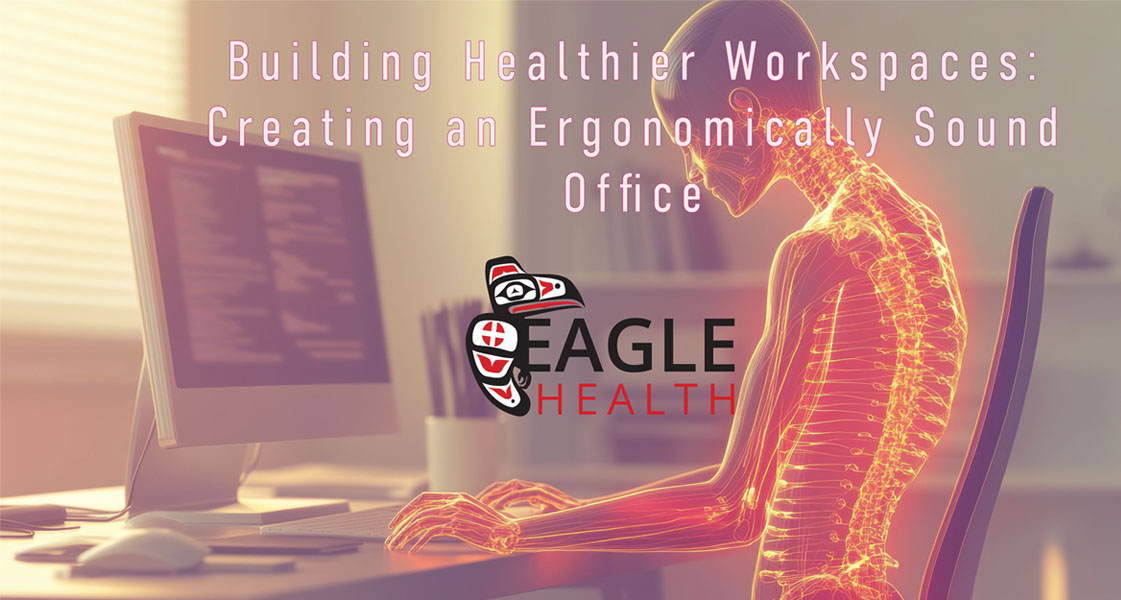
Why is Ergonomics important and how do we implement it into the office to better support employee health and wellness? Let’s take a deeper look at building healthier workspaces by creating and ergonomically sound office.
Why is Ergonomics Important?
- Reduced Physical Strain and Injuries: Jobs involving awkward postures and repetitive movements can lead to musculoskeletal injuries (MSDs) like carpal tunnel syndrome and back pain. Ergonomics helps prevent these injuries by optimizing workstation design and work practices.
- Increased Productivity: When employees are comfortable and focused, their productivity increases. Ergonomic workstations allow employees to work more efficiently without being distracted by discomfort or poor organization.
- Improved Mental Clarity and Well-being: Reducing physical discomfort and improving posture can lead to better mental clarity and improved overall well-being. A comfortable and organized workspace can also reduce stress and anxiety.
- Reduced Absenteeism and Turnover: Preventing workplace injuries and creating a more comfortable environment can reduce employee absenteeism and turnover rates.
- Enhanced Safety Culture: Implementing ergonomic principles demonstrates a company’s commitment to employee health and safety, leading to a stronger safety culture.
Key Aspects of an Ergonomically Sound Office
Adjustable Workstation Components:
- Chairs: Ensure the chair provides good lumbar support, adjustable height, and comfortable armrests. Feet should be flat on the floor or supported by a footrest.
- Desks: Desk height should allow for a relaxed posture with elbows at a 90-degree angle and forearms parallel to the floor. Height-adjustable desks (sit-stand) are an excellent option for varying postures throughout the day.
- Monitors: Position the monitor directly in front of the employee, with the top of the screen at or slightly below eye level. Ensure adequate distance to avoid eye strain.
- Keyboard and Mouse: Position the keyboard and mouse within easy reach, allowing for a neutral wrist position. Consider ergonomic keyboards and mice to reduce strain.
- Document Holders: Use a document holder to keep documents at eye level, reducing neck strain.
Lighting and Glare Reduction:
- Maximize natural light while minimizing glare on the monitor. Position monitors perpendicular to windows and use blinds if necessary.
- Use task lighting to illuminate your workspace without causing glare.
Workstation Layout and Organization:
- Keep frequently used items within easy reach to minimize excessive reaching.
- Ensure enough legroom under the desk.
- Reduce clutter by utilizing off-desk storage.
Movement and Breaks:
- Incorporate movement and stretching into your routine.
- Take short breaks every 20-30 minutes to stretch and vary your posture.
- Alternate between sitting and standing, if possible.
Employee Training and Awareness:
- Educate employees about the importance of ergonomics and how to set up their workstations correctly.
- Provide training on proper posture, stretching exercises, and ways to minimize strain.
Closing: Ergonomics is vital in creating a safe, comfortable, and productive workplace for employees. By implementing ergonomic strategies, organizations can reduce work-related injuries, increase productivity, and enhance employee satisfaction. Eagle Health is dedicated to helping organizations achieve their ergonomic goals by offering comprehensive services, including assessments, training, program development, and equipment recommendations. By partnering with Eagle Health, your organization can demonstrate its commitment to employee well-being and foster a thriving work environment. Let’s create healthy workspaces together!