Louisa May Alcott said, “I am not afraid of storms for I am learning to sail my ship.” For many of us, the ultimate storm is experiencing loss and grief. Emotions can leave us fatigued, overwhelmed, ill, and lethargic.
The origins of the word grief date back to the early 13th century, from Latin, meaning “heavy” or “weighty”. These are accurate descriptions of the word, as grief often leaves one with heavy feelings that may be hard to comprehend and navigate. Unfortunately, no one escapes feeling grief. It is an inevitable part of life, touching everyone at some point. But what if you are navigating through a period of grief while having to participate in the workplace?
Attending work during a period of grief, or even helping a coworker through a loss, brings unique challenges that demand compassion, understanding, and a supportive environment. Whether the loss we are facing is the passing of a loved one, a colleague, or even something tangible like a project, a job, income, a home, etc., how we respond as employers and coworkers can significantly affect the well-being and dynamics of the workplace.
Tools for Getting Through Grief
In our last blog post, https://capefoxfcg.com/mediacenter/kindness-as-a-core-competency-how-compassion-improves-team-health/, we spoke about kindness and compassion. These are also key tools for navigating grief in the workplace. Let’s review some other useful tools and steps to help pilot through grief in the workplace.
- Recognize Your Emotions: Grief is a normal reaction to loss of any kind. Allow yourself to grieve, shed tears, and work through your emotions. If you try to be stoic and resilient, afraid of addressing those turbulent emotions, you may make concentrating at work more difficult and extend your period of grief.
- Dealing with Grief is not a Race – Take Your Time: Before our grief, we were able to handle family, work, and life-changing situations with thoughtful consideration. However, many going through grief, wanting to return to that pre-grief resilience swiftly, do not give themselves enough time. Grief is unlike other situations, and you may want to consider starting with reduced hours or gradually increasing your workload to ease back into your responsibilities without feeling overwhelmed. Communicate with your supervisor or HR department about your needs and limitations during this time.
- Create a Routine: Creating a routine can help you feel more in control and give you a sense of stability. Grief can leave us feeling tumultuous emotions. This is common. Plan daily and weekly objectives for both your personal and professional life to restore control. Make sure you maintain a consistent sleep schedule and focus on self-care activities that support your physical and emotional health.
- Set Boundaries: Establishing boundaries for self-care is essential, particularly during periods of grief. Clearly understanding and articulating your limitations to colleagues and supervisors is advisable. It is acceptable to decline tasks if you are not prepared or if they exceed your capacity. Setting boundaries plays a critical role in safeguarding your mental and emotional well-being during challenging times.
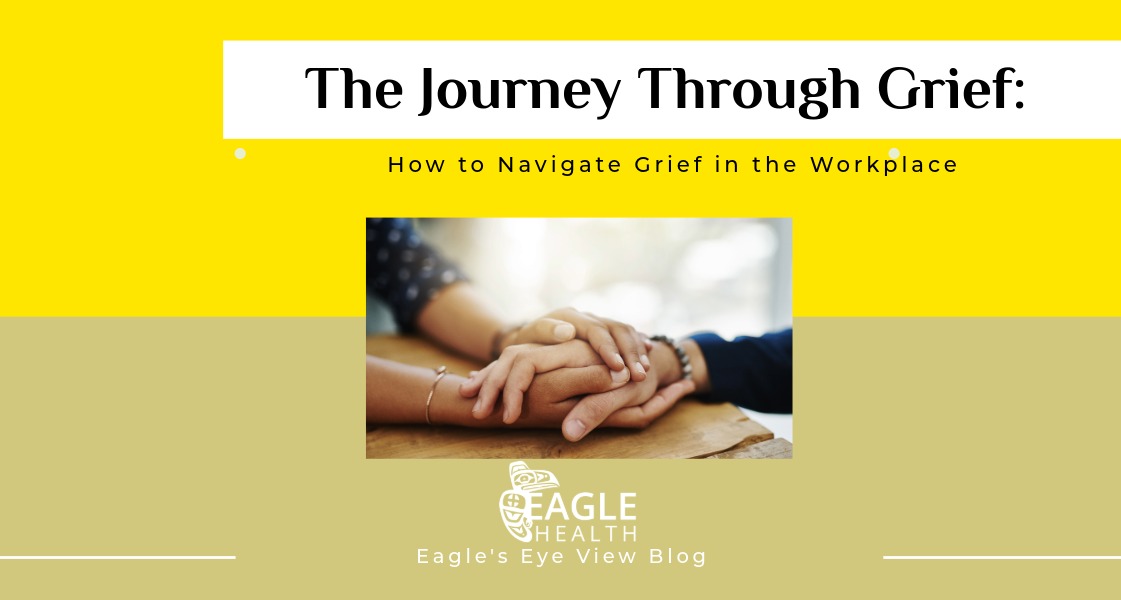
- Build Support Systems: A support network of friends, family, and trusted colleagues can help you in times of distress. Sharing feelings with supportive people can offer emotional comfort and reduce isolation.
- Embrace Mindfulness and Self-Compassion: Try adding mindfulness activities like deep breathing, meditation, or yoga to your daily schedule. These methods can ease stress, sharpen concentration, and build emotional strength. Treat yourself gently and steer clear of self-judgment as you work through grief’s challenges.
- Have a Safe Space: We spend the majority of our days at our workspaces. Use this space to provide comfort with items such as photos, plants, or other mementos that comfort you.
- Seek Professional Help if Needed: Grief is not linear. It is not something you can plan out in a timeline. It can be overwhelming and wrought with emotions. If you find it challenging to cope with grief and you find it impacting your ability to function at work, consider seeking support from a therapist. Therapists can provide you with coping strategies, emotional support, and a safe space to express your feelings without judgment. Many companies such as Cape Fox Corporation offer Employee Assistance Programs which is a great resource for finding a therapist in your area.
- Take Breaks and Practice Self-Care: Pay attention to your needs and take breaks when necessary. Get fresh air, walk briefly, or relax to recharge. Make self-care a priority—sleep well, eat healthy, and enjoy activities that make you feel good.
- Be Patient with Yourself: Healing from grief cannot be organized like an outline. It is a process that takes time. Just as you are compassionate toward others in similar situations, be patient and compassionate with yourself. Remember that it’s okay to have setbacks or difficult days.
How Workplaces Can Help Grieving Employees
- Allow them to work from home if the business permits.
- Provide continued support to the employee during this time.
- Lighten their workload when they return to work.
- Help them to avoid environments or situations that remind them of their grief.
- Maintain a dialogue with your employees and team members to address needs.
Remember to monitor your employee for signs of mental health issues because of their grief, including depression or anxiety.
Signs your grieving employee needs help:
- Lack of focus or productivity
- Social withdrawal
- Behavioral changes
- Attendance issues
- Declining work performance
At the end of the day, being empathic and caring can provide an employee with solace to get through their grief while still maintaining their work. Creating a supportive workplace environment for employees navigating grief helps their healing process while still allowing the company to succeed. No one is alone in their journey of grief, and we will all experience it someday. Remember, reaching out for support is a sign of strength and not weakness.
Disclaimer: This information is not a substitute for professional medical or mental health advice.